Chapter 5: Reproductive Choices

Chapter 5 dealt with heavy topics, ranging from safe sex guidelines to reproductive choices regarding emergency contraceptives, pregnancy, and abortion. All of these topics have controversial aspects associated with them, whether someone forms opinions about another person’s decisions to have sex or not or decisions regarding how a woman wants to handle a pregnancy.

    The first topic that I found interesting from chapter 5 were the various types of barrier methods of contraception. These methods work to prevent sperm from reaching the egg by use of physical or chemical barriers during intercourse. The barrier method that most people know about is the male condom, which is a thin sheet that covers an erect penis and its used to catch seman before it enters into the vagina. This barrier method is widely known more than the other methods because it is depicted in TV shows, movies, advertisements and have been taught to adolescents in middle school through college. However, going through middle school and high school, I do not believe that we were well educated on the topic of sex, purberty, and how reproduction worked. Our course outlined the basic lesson on what sex was and how to use a condom. But we never went into the other various types of barrier methods. Until reading this chapter, I was unaware of what the diaphragm or contraceptive sponge was. These forms of contraceptives were foreign to me, but I knew the main function of these contraceptives were intended to prevent pregnancy. The contraceptive sponge, made out of polyurethane foam has spermicide, which is activated by water and then inserted into the vagina. The diaphragm is a soft, shallow cup that is placed behind the pubic bone in front of the cervix and spermicide cream or jelly must be applied to the inside of the diaphragm before insertion. This form of contraception was widely used as a form of birth control. 

(Donatelle, 2019, p. 103)

    The second topic I found interesting to learn and read about was prenatal care. I have not had any of my cousins or my only sister have their own children yet, so I am not fully informed of what the steps are to prenatal care. I did not know that it was ideal for women to being prenatal appointments within the first 3 months. I would have guessed immediately after the woman found out she was pregnant, such as right after a missed period. During the first visit, the practitioner should complete a full medical history on the mother and anyone in her family. Obtaining this medical history can help the practitioner identify if there are any hereditary conditions that could put the mother or her baby at risk. I also did not know that pregnant women only need about 300 additional calories and their intake should consist of iron, folic acid, and fluids. Regular exercise can make labor easier, control weight, and increase strength. 

(Donatelle, 2019, p. 123)

    The last topic that I found interesting from chapter 5 was infertility, which is the inability to become pregnant after a year or more of trying to conceive. There were many reasons for the high levels of infertility in the United States, some include endometriosis, delaying childbirth, and low sperm counts. After my parents got married, they knew they wanted children. However, my mom was not able to have her own children, therefore, they decided to adopt my sister and I. She was adopted at age two, and I was adopted four years later, at the age of four. Although her infertility was something that I imagine was difficult, she knew that my sister and I were her daughters, even though we did not have the same DNA and that we didn’t look alike. We became a complete family on December 5, 2003 and they are my forever family. 

(Donatelle, 2019, p. 125)

My Health Aspect:

This past week, I have felt less stressed and have managed to find ways to destress. My sister sent me a video about “How to Gain Control of Your Free Time” and looking at the whole picture, even if we are busy, we still make time for the things that matter. I went to the gym and enjoyed a thorough workout and worked on my cardio on the treadmill. Because I was less stressed, I was able to be mindful of where I was and I didn’t feel like I had to go to the gym, which made it more enjoyable. 

Here is the link if anyone is interested in watching the video!
Chapter 4 Blog: Relationships and Sexuality

There were many topics discussed in chapter 4 that I found interesting to read about. I was unfamiliar with the concept of self-disclosure before I began reading the text. I learned that self-disclosure is a method of creating intimacy with another person and it can be an effective method. In today’s society, with the access to social media, it can remind individuals that we can no longer expect privacy. Reading this chapter, I realized that some may find it so easy to put their whole life on social media, rather, what they want others to perceive them as. Whether that be a social butterfly, going out to parties, or experiencing new foods, going on new adventures, but it’s often not the reality. The reality is that people share what they want others to think of them, however, when a person wants to get to know someone on a personal level, people find it difficult to “open up”. I catch myself doing this sometimes, such as posting where I went or who I saw, with a caption “ Had a great time”, but moments before, I probably didn’t want to go out to breakfast, rather just stay in bed and sleep in. Don’t get me wrong, I love spending time with my friends and family, but sometimes I do something that will make the other person happy, I sometimes want to show people that I am having a good time, when maybe that day, I just wasn’t up for it. As a mini goal, I want to focus on myself, live more in the present, instead of feeling like I have to post to show others that I am having a good time. 

(Donatelle, 2019, p. 84)

An important topic from the chapter that I wanted to discuss was recognizing an abuser. It’s important to recognize any red flags that your partner demonstrates in order to avoid getting into a relationship with an abuser. The red flags that stuck out to me was one person taking too much control and displaying excessive jealousy. These two are related to one another because copious amounts of jealousy shown can lead to taking too much control. With any relationship, there needs to be an equal balance of communication, trust, and honesty. Growing up, I have always been on the cautious side when it came to meeting new people. That continued on when I moved to college my freshman year. Although entering a relationship in college isn’t the top priority, it’s common to start a relationship. For freshman, I think it’s especially important to be aware of the warning signs of an abuser. For many students, it’s their first time moving away from home, college is a whole new lifestyle that takes time to adjust too, and some young adults may not be aware of the hidden red flags that may be reflected off their relationship. In order to have a loving and safe relationship, both parties should be educated on the potential actions an abuser may exhibit. 

(Donatelle, 2019, p. 89)

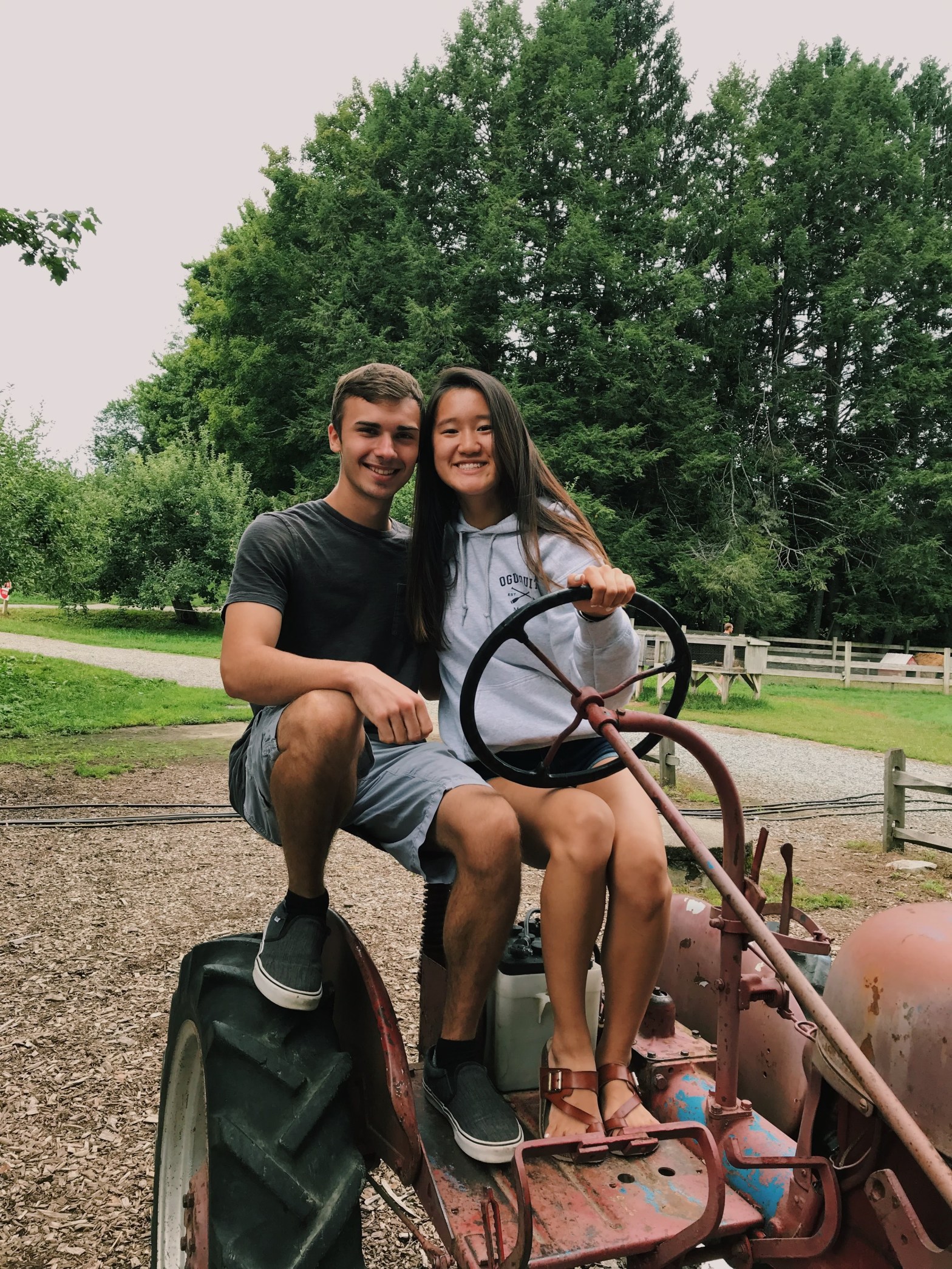
The last topic that I want to talk about is effectively using communication to manage conflicts. When someone’s behaviors interfere with that of another, it’s an emotional state referred to as conflict. When conflict arises, it’s important for both parties to collectively work together to resolve the conflict at hand. Towards the end of last semester, I began a relationship that I couldn’t be more happy in. We both knew going into the relationship that it would be difficult because he’s from New York, while I’m only forty minutes away from school. This past summer was the hardest time for the both of us because we had to adjust to living apart and going back to the lives we lived when we were at home. He worked long hours in the day at his part time job, while I was working at the campus center here at Bridgewater State. It was probably the hardest for me because I was sitting at a desk for ten hours a day, and I was alone for most it,  if not all of the shift. Being in a long distance relationship, communication is the most important part. We would text throughout the day, call at night, and made plans to see each other over the summer. There were times of miscommunication that would lead to conflict, but in order for us to work it out, we always talked through the issue to resolve the conflict. In an LDR, it’s not as easy as driving over to the other person’s house in a few minutes, we had to figure out how to resolve an argument over FaceTime. It would be easy to ignore calls, texts or to turn our phones off, but we had to be patient, to be open with our communication, and we learned that in order to maintain a healthy and happy relationship, we had to learn to always communicate how we felt. Our relationship has grown stronger because of the distance, we understand each other on a deeper level, and we are always there to support each other everyday. 

(Donatelle, 2019, p. 87) 

Health Aspect

    Setting aside running for this week, I was really stressed in the beginning of last week. I had my first anatomy exam and my stress levels were very high. I realized how important it was to talk to my family and friends because they are always there to support me. I called my mom and she told me to always do the best that I can. When I was very overwhelmed on Wednesday night, she reminded me that no course in college should affect my mental health. As I was on the phone with her, she told me to take a mini break from studying and reach out to my friends to talk to as well. I went to the study and met with my friend and she told me about how her day was going. Putting aside my stress and listening to helped me de-stress and I was able to pick up where I left off. The next day, I took my exam and walked out knowing that I put my hardest effort into studying and that I was proud of myself for it. Yesterday, I went to the gym only for a brief amount of time because I was unaware that the gym closed at 6:30pm, so I was only able to get two sets of squats done and ten minutes on the elliptical, but even a short amount of time at the gym lifted my spirits and put me in a better mood. 

References:

Donatelle, R.J (2019). Mastering Health: My Health (3rd Edition) Pearson Education 


Chapter 3 Blog: Stress

There are many factors that contribute to stress levels, not only for myself, but for the many college students attending school. Reflecting back on the first month of the semester, I noticed that I have been getting stressed out more than usual. I’m looking forward to starting off October with more practical ways to deal with stress, and my main goal of the month which is to focus on having more confidence in myself. I want to emphasize that I want to find ways not to be so hard on myself and to find things throughout the day that makes me happy and that reminds me that there are better days to come, even on my worst. While reading chapter 3, I felt as though I was able to understand what influences my own individual stress. Three factors that stood out to me included: 

Characteristics of the stressor: Are you able to control stress? Does this stress occur often? 

Biological factors: age and gender

Past experiences or fears: Events that have happened to you. Were there consequences, and how did you respond?

Learning about these factors that influence how we respond to these stressors was important for me to understand why I get stressed during some situations. Acknowledging these factors, we are better able to understand how we can manage our stress, and how we can prevent these stressors from causing long-term health problems down the line.  

(Donatelle, 2019, p. 50)

As I have mentioned in previous blogs, I catch myself feeling stressed, whether that be from classes, tests, and making sure I have time to talk to my friends and family. All of those factors have made me feel overwhelmed. While reading the chapter, I learned that there are techniques one can practice in order to reduce stress. The practices that stuck out to me the most, which I want to practice more in depth include: 

Getting enough sleep: Reaching the recommended 7-8 hours of sleep not only allows you to be more productive, but it also allows you to cope with the many stressors in one’s life. 

Eating healthfully: Having a balanced, healthy diet will improve the stamina an individual needs in order to push you towards accomplishing ways to deal with problems in a non-stressed approach. 

Regular exercise: Individuals are intended to utilize physical activity; to “burn off” stress hormones. These hormones are directed towards their intended metabolic function and are used to fight off stress by increasing endorphins in the body. 

(Donatelle, 2019, p. 65)

Lastly, while reading this chapter, I found it interesting to learn about the effects of stress on the body. Looking at the effects that stress has on the body, it is important to take action on ways to control stress. If stress isn’t controlled, individuals are at risk for some health issues: Some of these health issues include: 

Cardiovascular Disease: Chronic stress has been shown to cause high blood pressure, heart rate problems, and atherosclerosis. 

Hair Loss: Telogen effluvium is the most common type of hair loss associated with stress. Overtime, a person’s hair begins to fall out. 

Weight Gain: With stress levels increased, cortisol levels found in the bloodstream, increase a person’s hunger and has been seen to activate fat-storing enzymes.

(Donatelle, 2019, p. 56)

My Health Aspect Goal: 

While working on my health aspect, I have been using some of these practices to destress. But, I feel like I haven’t been able to fully accomplish these practices throughout the week. I want to point out that I do not get enough sleep. As the practices suggests, we should be getting around 7-8 hours of sleep, which is difficult for anyone to obtain. Especially with college students, like myself. I try to be in bed by eleven, but find myself not sleeping until twelve, or even one in the morning. This is not at all great for my health because I have to be at work by 7:15am, and if I don’t get enough sleep, I am left feeling groggy and unable to have a productive day. I am an avid coffee drinker, but I try not to have more than two cups of coffee. I’ve mentioned previously that the dining halls do not always have the best food, where some days I end up skipping a meal. I want to eat more healthfully, which will in turn improve my stamina to accomplish my goals for the day. Lately, assignments and tests have been making me feel stressed, but taking walks and going on runs helps me clear my mind, while also feeling accomplished that I took time out of my busy day to focus on not only the physical aspects of what it means to be healthy, but also mentally. 

Not only have I been running to reach my health aspect goal, but it was also a good way to destress on a Friday afternoon.

Chapter 2 Blog-Psychological Health

Diving right into chapter 2, I immediately learned that there are many components that are associated with psychological health. It’s not just about how we think, but it also incorporates how we are feeling and what we do in our daily lives. I learned that the basic elements to psychologically healthy people include: having good feelings about themselves, having respect and compassions towards their peers, and having the ability to meet the demands of life. These are just a few elements to psychologically healthy people. I believe this is a helpful checklist for individuals to evaluate and ask themselves if they are psychologically healthy. Overall, I see myself as a psychologically healthy person, but like most people, I can be hard on myself. When it comes to school, I always want to exceed my own expectations, but when I am not able to accomplish those high expectations I set for myself, I often feel like I failed. For example, I recently took an anatomy quiz and when I got my grade back, I didn’t do too well. The material was dense, there was a lot to it, and I had studied for hours leading up to the quiz, I even made a quizlet for it. I knew the answers when I was studying off the quizlet, so when the day came up to take the quiz, I felt lost, puzzled, and began to panic. I expected to make it out ok, but when my expectations failed, I felt as though I failed. That I wasn’t smart enough, that I didn’t study hard enough, and I began to tear myself apart. I realize that that characteristic about myself is what drives me to be psychologically unhealthy. I need to be mindful, mindful that I’m human, we all make mistakes, we learn from them, and what I learned from the quiz is that the material on the quizzes are more about applying the information, and less about memorizing. 


(Donatelle, 2019, p. 26)

Before reading chapter 2, I was unfamiliar with Maslow’s Hierarchy of Needs. In this pyramid, there are five levels, starting at the bottom are our basic survival needs (water, food, sleep, and sexual expression), the following level is security needs (safety, protection, and shelter), next is social needs (sense of belonging), the fourth level is esteem needs (self- respect, accomplishments, and respect towards others), and finally, the fifth need for self-actualization (self- transcendence). While looking at the pyramid, I noticed that an individual has more survival needs than say esteem needs. This is indicated on the pyramid because the esteem needs were a smaller level in size than survival needs, which took the most space on the pyramid. This perhaps is because it is easier to obtain food and water, but it is a bit more difficult to be able to gain the confidence in self-respect, and the feelings of accomplishments in regards to respecting yourself and others.  

(Donatelle, 2019, p. 27)

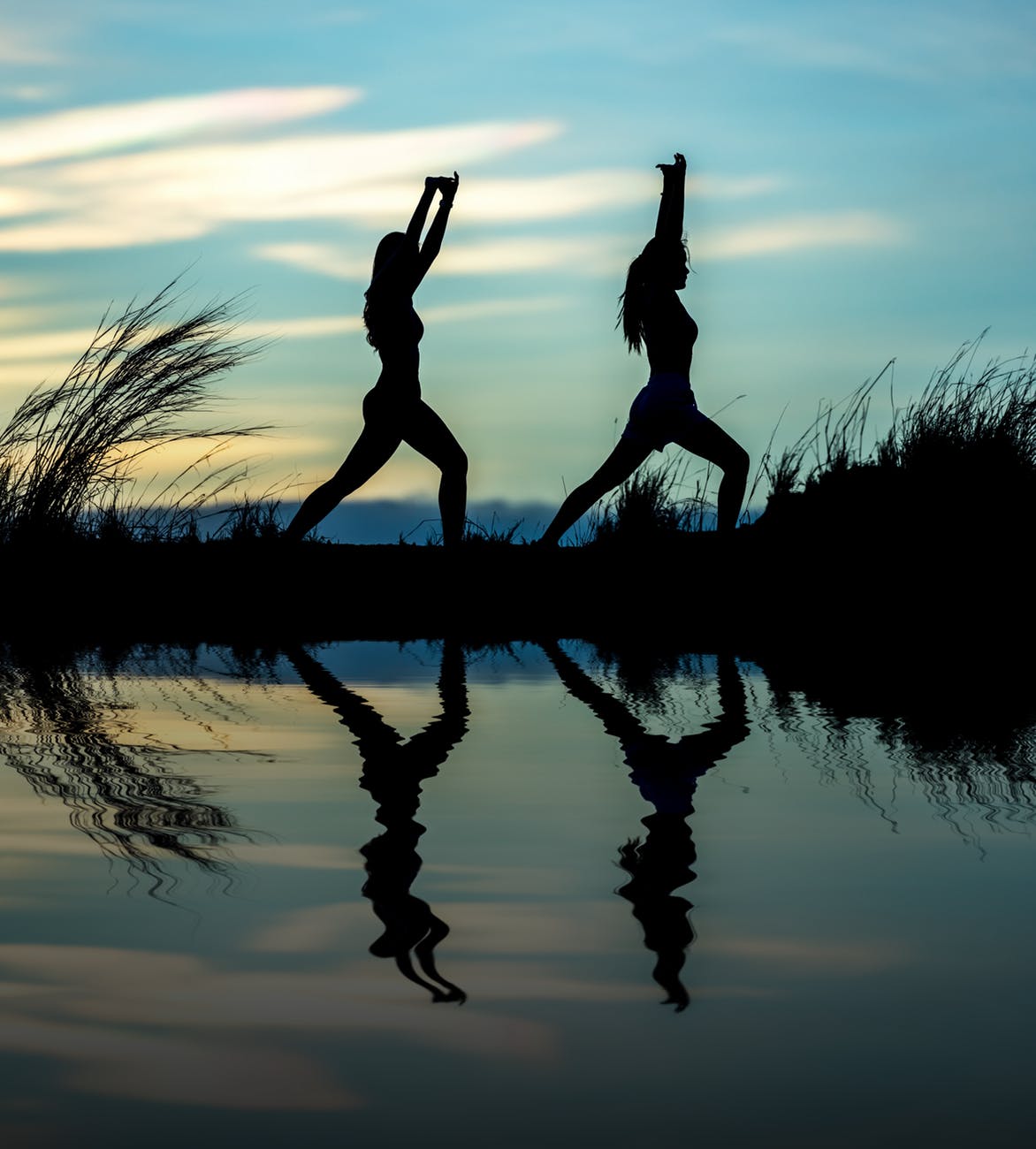
Lastly, while reading chapter 2, I learned the importance of mindfulness. Mindfulness is having the ability to focus on your thoughts, and most importantly, living fully in the present. While living as a mindful person allows you to observe, process what you are seeing and how you are feeling in each moment with no distractions. Different ways of practicing mindfulness include: meditation, yoga, prayer, and reaching out to others. Mindfulness is also helpful because whenever I feel myself getting stressed out, I often take walks or go to the gym. Focusing on how I am feeling in a particular moment helps me destress. While taking walks, I focus on what is around me, the sounds that I hear, and the air I am breathing. 

We took a hike at Purgatory Chasm State Reservation. It was a great place to get exercise and enjoy a nice weekend away from stress and school work!

(Donatelle, 2019, p. 40)

As a full-time student, life can get very busy balancing school, work, family and friends, but I have been practicing mindfulness, which has not only improved my health, but has helped me with reaching my health aspect goal. While using mindfulness when running, it has helped me push past my body aching. As I stride towards reaching my health aspect goal, my mile time was thirteen minutes and fifty-six seconds. 

Chapter 1 Blog

As a health studies major, I have learned that health covers not only the physical side to an individual’s life, but rather the mental, emotional, intellectual, spiritual, ect. Health doesn’t just mean eating fruits and vegetables, getting the proper amount of sleep, or drinking lots of water. Although those are all important aspects of one’s health, if a person doesn’t have balance, then their health may be affected. While reading chapter one, Healthy Change, I learned the many determinants that influence a person’s health. These determinants are:

  • Individual behavior- modifiable determinants; refers to behaviors that are changeable; significantly influence an individual’s risk for chronic disease.
  • Biology and genetics- (non modifiable determinants) biology refers to an individual’s genetics, age, gender, and ethnicity; it also includes family history.
  • Social factors- refers to social factors and physical conditions in the environment in which an individual is born or lives. Example exposure to crime, technology, and job opportunities. 
  • Policymaking- public policies have a great effect on the health of not only the individual, but also the community. 
  • Health services- refers to the accessibility to quality health care by providers, access to accurate information, and products.

(Donatelle, 2019, p. 8)

After reading about what influences our health, I learned that it is not only an individual’s behavior. There are many determinants that are influencers in our health and with that, it is important to learn how to utilize health services, create better policies to improve the health care system. All of those determinants we are able to change to improve our health, which I found intriguing because we are able to be the change that we want to see in the world. It was interesting to note that even though there were many determinants we could change, biology and genetics were determinants we are not able to change.

Another thing while reading chapter 1 that struck me was the mindfulness module. Recently, I have noticed that I get stressed out easily, and I want to find ways on how to manage my stress. While reading this section of the chapter, I learned that mindfulness is bringing your full attention to the present. There are many health benefits of mindfulness, which include stress reduction, lower levels of depression and anxiety, and improved memory. One way to reduce stress is to practice yoga because it can improve mental and physical health. I am making it my goal this semester to practice mindfulness, not only to improve my education, but to better myself. I notice that I let the little things get the best of me. I wake up with a positive attitude, telling myself that it will be a  good day, but when something small happens, like forgetting my notebook for a class and having to re-write the notes later in my notebook, or wanting delicious meal but when I stroll through ECC, nothing looks appealing. I become frustrated that it’s the same food or nothing that fills my stomach so I end up making a salad with no protein on it. I’m not getting the best intake of nutrients, which makes me still hungry after I leave the dining hall, or I end up just skipping out on a meal because there wasn’t anything to eat. I know that is an unhealthy habit, which I want to work on throughout the semester, so I am able to eat the proper amount of food to fuel my body to learn in the classroom, but also have energy when I workout.

(Donatelle, 2019, p. 10)

I learned that setting a SMART goal is important after completing change for some time. SMART stands for:

Specific 

Mearable

Action-orientated 

Realistic

Time-oriented

It is important to note that a SMART goal is one that can be achieved not when events or things happen in one’s life, but within everyday life. Having the knowledge that your goal can be achieved increases a person’s motivation. Additionally, having more motivation increases the likelihood that the goal will be a success. 

I plan on using a SMART goal for my health aspect and this will help me achieve my goal of running a mile under ten minutes. 

(Donatelle, 2019, p. 17)

My Health Aspect: 

The health aspect that I chose to work on throughout the semester is to run a mile under ten minutes. I chose this health aspect because I always tell myself that I will become a better runner. But whenever I went to the gym, I would only run for a couple of minutes and get right off the treadmill. I would feel defeated, like I wasn’t accomplishing a goal of mine. But with a SMART goal I will become motivated to work harder at achieving this goal. 

Using a SMART goal:

Specific: Go to the gym twice a week.

Measurable: slowly build my cardio by practicing intervals of walking and running.

Action-oriented: Record my mile time each time I go to the gym

Realistic: Go to the gym on the weekends for 30-45 minutes.

Time-oriented: Go to the gym when I don’t have to feel rushed. 

As part of my health aspect, my goal is to regain the athletic shape I was in when I was in high school.

References: 

Donatelle, R. J. (2019). Mastering Health: My Health (3rd edition). 

Pearson Education

Health Aspect Introduction

Hi! My name is Molly Murphy and I am a junior at Bridgewater State University. I am a Health Studies Major with a minor in Health Resource Management. I am a resident on campus and live in the Sustainability Living Learning Community. I hope to work in Healthcare Administration/Management. My health aspect that I want to focus on during the semester is to run a mile under ten minutes. Running is not my strong suit, but I am ready for this challenge. I am excited for this semester and improving my overall health.

Introduce Yourself (Example Post)

This is an example post, originally published as part of Blogging University. Enroll in one of our ten programs, and start your blog right.

You’re going to publish a post today. Don’t worry about how your blog looks. Don’t worry if you haven’t given it a name yet, or you’re feeling overwhelmed. Just click the “New Post” button, and tell us why you’re here.

Why do this?

  • Because it gives new readers context. What are you about? Why should they read your blog?
  • Because it will help you focus you own ideas about your blog and what you’d like to do with it.

The post can be short or long, a personal intro to your life or a bloggy mission statement, a manifesto for the future or a simple outline of your the types of things you hope to publish.

To help you get started, here are a few questions:

  • Why are you blogging publicly, rather than keeping a personal journal?
  • What topics do you think you’ll write about?
  • Who would you love to connect with via your blog?
  • If you blog successfully throughout the next year, what would you hope to have accomplished?

You’re not locked into any of this; one of the wonderful things about blogs is how they constantly evolve as we learn, grow, and interact with one another — but it’s good to know where and why you started, and articulating your goals may just give you a few other post ideas.

Can’t think how to get started? Just write the first thing that pops into your head. Anne Lamott, author of a book on writing we love, says that you need to give yourself permission to write a “crappy first draft”. Anne makes a great point — just start writing, and worry about editing it later.

When you’re ready to publish, give your post three to five tags that describe your blog’s focus — writing, photography, fiction, parenting, food, cars, movies, sports, whatever. These tags will help others who care about your topics find you in the Reader. Make sure one of the tags is “zerotohero,” so other new bloggers can find you, too.

Design a site like this with WordPress.com
Get started